

On the Wall
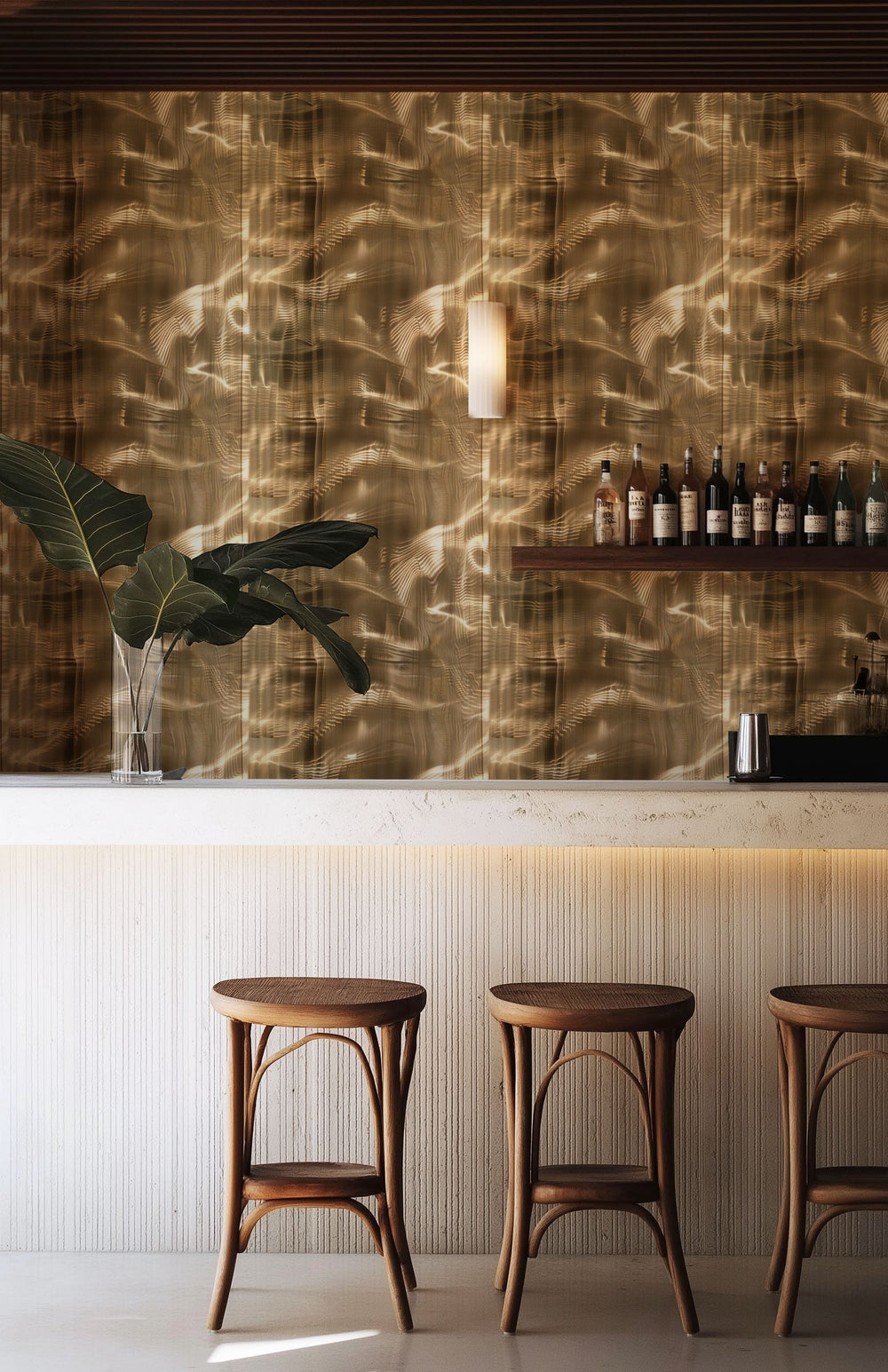

Dark Green Wallpaper: Deep, Grounded Walls for Every Room
Dark green wallpaper brings depth and calm in one move. Forest, emerald and olive walls explained, plus how to sample the shade your light actually wants.
Learn more
Boho Wallpaper: Layered, Earthy Walls Without the Clutter
Boho wallpaper brings the warmth of collected, earthy style to a wall without the clutter. How to choose terracotta, block-print and desert looks that last.
Learn more
Jungle Wallpaper: The Lush Wall That Changes Everything
Jungle wallpaper wraps a room in green, layered life. Here is how to choose between dense botanical and playful safari looks, and sample before you commit.
Learn more
Palm Tree Wallpaper: How to Bring the Coast Home, Wall by Wall
Palm tree wallpaper turns any room into a holiday. Here is how to choose the right palm print, scale it to your wall and sample it before you commit.
Learn more
Removable Wallpaper Buying Guide: Peel & Stick vs Paste-the-Wall (And What Works on Textured Walls)
Removable wallpaper has quietly become the renovation shortcut you're asking us about more than any other, and the questions tend to arrive in the same order: is peel and stick actually any good, will it work on your textured walls, and which type should you choose? After ten years of making wallpaper at our two West Gosford production facilities, we can answer all three with the kind of specifics that only come from making the product ourselves. In this guide you'll find the honest differences between peel and stick and paste-the-wall, exactly what happens on textured walls, and how to choose well the first time so your feature wall goes up beautifully and comes down cleanly whenever you're ready. Here's the short version for anyone in a hurry. Peel and stick is the right pick if you're renting, if you're a little commitment-shy, or if your walls are lovely and smooth. Paste-the-wall gives you a flatter, more furniture-grade finish for longer-term homes and rooms you plan to keep dressed for years. Textured walls are a solvable problem, but the fix depends on which sort of texture you have. The longer version below is exactly what our team walks you through every week when you email us before ordering, so grab a cuppa and settle in. Boheme Cheetah in Pink Wallpaper · Songbird Garden in Pale Pink Wallpaper · Wattle & Mist Panoramic Mural in Powder Blue & Slate Wallpaper What Removable Wallpaper Actually Means The phrase covers two quite different products, and mixing them up is the reason so many online reviews of the cheap imports sound so disappointed. Peel and stick wallpaper is a self-adhesive fabric-poly material: you peel the backing away and press it to the wall. No paste bucket, no water tray, no tools beyond a smoother and a sharp blade. Paste-the-wall wallpaper is our smooth matte non-woven paper, hung the traditional way with adhesive applied to the wall itself, but engineered to strip away cleanly when you're finished with it, usually in full sheets rather than fiddly little pieces. Both are truly removable in the sense that matters to you: neither one needs steaming, scoring or scraping to come off, and both are designed to leave sound painted surfaces alone. The difference is really about how they live on your wall. Peel and stick can be gently repositioned during installation, which is exactly why it's the go-to for our renter and nursery customers. Paste-the-wall lies flatter, reads more like a painted finish when you're standing close to it, and copes more predictably with the Australian summer humidity swing because its adhesive layer is continuous rather than pressure-bonded in patches. One thing we'll never claim, and you should be a little wary of anyone who does: no wallpaper on earth is guaranteed damage-free on every single wall. Our materials are made to be removable, and on sound, properly cured paint they come off cleanly. But paint that was rolled over dust, unprimed plaster or a builder's flat white is going to lift regardless of what you stick to it, and that's a paint problem, not a wallpaper problem. The test-patch advice further down exists precisely so you can spot that before it becomes your problem. Peel and Stick or Paste-the-Wall: the Honest Comparison Installation: Peel and stick is faster for small feature walls and skips the paste bucket entirely, which is why most of you finish a nursery wall in under two hours. Paste-the-wall is actually easier for large walls, counterintuitively, because the material doesn't stick to itself while you're positioning it, and a little slip up costs you nothing but a quick wipe. Finish: Paste-the-wall wins on flatness. Peel and stick has a very slight fabric-like texture that reads softly when you're an arm's length away. In a raking-light hallway you'll notice the difference, but across a properly furnished bedroom you rarely will. Longevity: Both are printed on our wide-format presses with the same pigment inks, so the print itself lasts the same. The real-world difference is in the edges: peel and stick edges can lift in rooms with wild temperature swings if they're not pressed down properly on day one, while pasted edges tend to stay put. Removal: Peel and stick pulls away in one satisfying sheet. Paste-the-wall strips off dry on decent paint. Neither needs chemicals or a steamer. Rentals: Peel and stick is the renter's product, and we say so plainly. Run the tape test first in an inconspicuous corner, keep your offcuts in a cupboard, and you can restore the wall before a final inspection without any drama. The most common mistake isn't choosing the wrong wallpaper. It's skipping wall preparation because the product seemed forgiving enough to survive it. Can You Wallpaper Over Textured Walls? This is the question our support inbox sees more than any other, so here's a real answer with real texture types instead of a vague yes. When Australians tell us they have textured walls, they usually mean one of four things: a light orange-peel roller texture, a heavier trowelled render, bagged brick, or VJ and panelled walls. Each of these behaves quite differently under wallpaper, so let's take them one at a time. Light orange-peel or fine roller texture: paste-the-wall handles this well. Our non-woven paper has enough body to bridge fine texture, and once the adhesive cures, the surface reads flat with just a faint tooth showing under strong side light. Peel and stick struggles here more than you'd expect, because a pressure-sensitive adhesive only really bonds where it's actually touching, and fine texture can quietly reduce that contact area by a lot. It can look perfect on day one and start shedding corners three weeks later, which is the last thing you want. Heavy render, bagged brick and rough trowel finishes: the honest answer is not directly. No removable product bonds reliably to peaks and valleys that deep, and even if it did, every contour would telegraph through the paper and undo all the hard work. The correct path is skim coating: a plasterer levels the wall with a thin set coat, primes it, and you wallpaper the lovely new smooth surface. The customers who skim first are consistently the happiest textured-wall customers we have, and a single feature wall skim is a smaller job than you'd think, often finished in a morning. VJ, panelling and grooved surfaces: wallpaper simply can't bridge a groove, and pressing it into the grooves just creases the sheet. Either the panelling comes off, or, more cleverly, you choose a design that plays alongside the panelling from an adjacent wall instead. Our wood panel wallpaper collection exists for the reverse move: the look of VJ panelling on a completely flat wall, without needing a carpenter. Whatever your texture, please do the two tests we ask of every uncertain customer. First, press a strip of quality painter's tape to the wall, leave it overnight, and pull it off. If paint comes with it, fix the paint before any wallpaper goes near it. Second, order a sample, stick or paste it to your actual wall, and live with it for a week through a hot day and a cool night. Our wall preparation guide for peel and stick walks you through both tests in detail, with photos. Painter's Landscape Panoramic Mural Wallpaper · Oakmere in Mushroom Taupe Wallpaper How to Choose Well: a Working Checklist Match the product to how long you're staying. If you're renting, or redecorating a child's room you'll re-theme in three years, go with peel and stick. If it's your own home, a hallway, a moody dining room you plan to keep as it is for years, choose paste-the-wall from the removable wallpaper range. Measure before you fall in love. Wallpaper is priced and printed to your exact wall, so width and height come first. Our measuring guide takes about five minutes and prevents the two classic errors: forgetting to measure at the widest point, and measuring one wall of a design that wraps two. Custom sizing beats trimming. Because we print every order to your wall's exact dimensions at our West Gosford facilities, a 2.7 metre Queenslander wall and a 2.4 metre apartment wall each get a design scaled correctly for them, rather than a stock roll with the motif's heads cropped off. If your wall is unusual, a sloped ceiling, a dado line, a full wraparound, our custom wallpaper service will handle it beautifully. Order the $4.99 sample first. It's a generous 48cm x 40cm (19in x 16in) printed piece of the actual material, not a little swatch-book chip. Check the colour in your room's morning and evening light, test the adhesion on your actual wall, and feel the material weight in your hands. Check the light in the room. Strong side light from a window flatters paste-the-wall and exposes texture under peel and stick. North-facing Australian rooms also shift colours warmer through the day, and the sample will answer that question for you too. Plan your install day conditions. Aim for a mild day. Installing peel and stick in a 35 degree western-sun room softens the adhesive and turns the sheet floppy in your hands; a very cold morning stiffens it and makes it stubborn. A room temperature between roughly 15 and 28 degrees is the comfortable band you're looking for. Installation, Care and Removal Installation for both products is genuinely a competent-amateur job, and you shouldn't feel like you need a tradesperson unless you'd rather not do it yourself. Paste-the-wall needs a paste bucket, a roller, a smoother and a sharp blade, and the technique is all in our paste-the-wall installation guide. Peel and stick benefits from two people for sheets over 2.5 metres, mostly for morale and steady hands. If you'd rather not tackle it yourself, our installer directory lists wallpaper hangers across Australia who work with our materials regularly. Care is refreshingly undramatic. Dust with a dry microfibre cloth, wipe marks with a barely damp cloth and a drop of dish soap, and never scrub or use spray cleaners on any printed surface. Kitchens and bathrooms are fine for our smooth matte material as long as the room is well ventilated, though directly inside a shower's splash zone is asking too much of any paper. For the full room-by-room verdict, our guide on installing peel and stick wallpaper in Australia goes deeper into the details. Removal is where quality really shows itself. Start at a bottom corner, pull slowly back on itself at 180 degrees rather than straight out from the wall, and a well-installed sheet comes away whole in your hands. If you're moving out of a rental, choose a mild day rather than a scorcher, and the adhesive releases much more gently. Coastal Shells in White & Light Blue Wallpaper · Coastal Stripes in Light Blue Wallpaper · Gold Coast Palm in Light Blue Wallpaper Where Removable Wallpaper Really Earns Its Keep Nurseries: the classic. A nursery gets re-themed roughly every four years, which is exactly the sweet spot for this product. Our nursery wallpaper collection is the most-ordered category for peel and stick, and the low-VOC pigment inks matter to parents for very good reason. Rentals: a feature wall behind the bed can completely transform a beige apartment, and then come down before your exit inspection without a fuss. Renters consistently gravitate to our boho and coastal wallpaper ranges. Home offices: the Zoom wall. A panoramic mural behind your desk reads as considered, put-together design on camera in a way a blank wall simply never will. Have a browse of our wall murals for wide-format options. Bedrooms and living rooms: this is where paste-the-wall really shines, because these walls tend to stay dressed for five years or more. The bedroom wallpaper collection leans calming and quiet, while our Australian designs bring native botanicals into living spaces beautifully. Kids' rooms that grow up: when the dinosaur phase ends, as it always eventually does, the wall can change with an afternoon's work. Our kids wallpaper range is designed for exactly this kind of loving churn. Why Buy Removable Wallpaper From an Australian Manufacturer We've been making wallpaper on the Central Coast of NSW for over ten years now, and the practical advantages of buying from the manufacturer rather than a reseller are refreshingly concrete. Every order is printed to your measurements, not cut from imported stock sitting in a warehouse. Production takes 4 business days on full-price orders. Shipping on full rolls and walls of wallpaper is free, we deliver to over 40 countries, and every international wallpaper order arrives with all import duties paid, so the price you see at checkout is the final price. And when you email a question about your wall, the person answering has just walked past the production floor where your order will be printed. Whether you're in Sydney, London or New York, the material that arrives at your door is the same 4-day-fresh print, made by the same team. If you're weighing wallpaper against paint for the room, our comparison on wallpaper vs paint essentials covers cost per square metre, longevity and resale value honestly. And for what Australian designers are choosing this year, the 2026 wallpaper trends guide is a lovely long read for a quiet evening. Frequently Asked Questions Is peel and stick wallpaper actually removable without damaging paint? On sound, properly cured paint, yes. Peel it back slowly on itself and it releases cleanly. The honest caveat is that no wallpaper can be guaranteed damage-free on paint that was poorly applied or rolled over dust, because that paint will lift under any adhesive at all. Test with painter's tape overnight first, and always trial a sample patch on your actual wall for a week before you commit. Can you put peel and stick wallpaper on textured walls? On fine orange-peel texture it can work, but it's the weaker choice, because pressure-sensitive adhesive only bonds where it's actually touching the surface. Paste-the-wall bridges fine texture much more reliably. Heavy render or bagged brick needs a skim coat first, and grooved VJ panelling can't be wallpapered over at all. Order a $4.99 sample and test it on your actual wall for a week; that answer beats any general rule of thumb. What's the difference between peel and stick and paste-the-wall wallpaper? Peel and stick is self-adhesive: peel the backing off, press it up, reposition as needed. Paste-the-wall is a non-woven paper hung with adhesive applied to the wall itself, which lies flatter and suits long-term installs beautifully. Both remove cleanly from sound paint, both are printed with the same pigment inks, and both are custom sized to your wall when you order from us. How long does removable wallpaper last? Installed on a well-prepared wall away from direct water contact, both types comfortably last five to ten years. The limiting factors are installation quality at the edges and extreme temperature swings, not the print itself, which uses fade-resistant pigment inks on our 4-business-day production runs. Can I use removable wallpaper in a bathroom or kitchen? In a well-ventilated bathroom or kitchen, yes, our smooth matte paste-the-wall material handles ambient humidity nicely. Just keep any wallpaper out of the direct splash zone of showers and sinks. For rooms with poor ventilation and daily steam, tile or paint remains the honest recommendation. Do you make custom sized wallpaper for unusual walls? Yes, every order is printed to your exact wall dimensions at our West Gosford facilities on the NSW Central Coast. Genuinely unusual walls, like sloped ceilings, wraparounds and extra-wide panoramas, go through our custom wallpaper service, where we scale and preview the design against your measurements before anything is printed. How much does shipping cost, and do international orders pay customs fees? Shipping is free on all full wallpaper orders. Samples are $4.99 with a small delivery fee. We ship to over 40 countries and pay all import duties on international wallpaper orders, so nothing extra is collected at your door on delivery. Should I order a sample first? Always, please. The $4.99 sample is a 48cm x 40cm (19in x 16in) print of the actual material, big enough to judge the colour in your room's changing light and to run a real adhesion test on your actual wall, which is the only test that truly settles the textured-wall question for your particular surface. Start with the removable wallpaper collection, have a browse of our peel and stick designs, or dip into more guides on On the Wall. Whichever way you go, order your sample first, live with it for a week, and your feature wall will turn out beautifully the very first time.
Learn more
Wallpaper for Girls' Rooms: The Complete Australian Buying Guide
Girls bedroom wallpaper that grows with her: lasting design directions, safe materials, feature-wall logic and custom Australian printing.
Learn more
Wallpaper for Boys' Rooms: The Complete Australian Buying Guide
Boys bedroom wallpaper done properly: adventure themes that last, grounded palettes for sleep, boy-proof materials and custom sizing.
Learn more
Eco-Friendly Wall Murals: The Sustainable Guide
Eco-friendly wall murals made honest: PVC-free non-woven, water-based inks, print-on-demand, Australian-made. Specifications, not greenwashing.
Learn more
Wall Murals for Kitchens: A Designer's Guide
Kitchens are the riskiest room in the house for a wall mural. They are also, quietly, the room where a mural can do the most work. Every kitchen hosts a daily hospitality moment — a guest walks in, keeps walking past the rangehood, and finds themselves standing inside a painted forest, a coastal horizon or a chinoiserie garden while the kettle goes on. The risk is real. The reward is the reason we keep being asked to design for kitchens anyway. Most decorators will tell you not to put wallpaper in a kitchen at all. We disagree — carefully. Kitchens are a zoned space. Some walls are working walls, covered in splatter and steam, and those are the wrong place for a mural. Other walls are hospitality walls — the dining nook, the breakfast banquette, the butler's pantry, the feature wall opposite the cabinetry — and those are arguably the best mural real estate in the house. This is the designer's guide to doing it properly. Where a mural wins, where it fails, which materials survive a working kitchen, and which twelve murals from our Painted Wall Murals collection actually belong in the room. We ship to more than 40 countries with all import duties covered, and every mural is custom-sized to exact wall dimensions from our Central Coast, NSW studio. Mosswood Forest Panoramic · Vintage Willow Garden Panoramic · Calm Seas Painted Mural The honest placement map: where a kitchen mural wins, and where it fails Before we talk about which design to choose, we have to talk about where it goes. This is the single most important decision in a kitchen. A mural on the wrong wall will fade, grease over and peel at the edges. A mural on the right wall will outlast the cabinetry. Here is the map we give every client. ✅ Dining nook end-wall — the perfect mural zone. The dining nook is far enough from the cooktop to stay clean, close enough to the kitchen to feel like part of the room, and it is a seated moment — people actually look at this wall. A panoramic mural across the nook end-wall is possibly the best use of a mural anywhere in an Australian home. ✅ Breakfast banquette wall — mural wins here. A banquette pushes the mural above eye-level and keeps the mural at a comfortable viewing distance. Because the banquette itself takes the wear, the mural lives untouched above it. ✅ Feature wall opposite cabinetry — great if out of spatter range. The wall you see when you walk into the kitchen, but not the wall your cooktop is against. Keep a minimum of 1.2 metres (roughly 4 feet) between the mural and any heat or oil source. ✅ Butler's pantry / walk-in pantry — the hidden mural moment. A pantry is a small enclosed room where you can go full-drama: deep emerald, moody seagrass, a chinoiserie garden. Because nobody cooks in a butler's pantry, you get all the mood with none of the maintenance. ⚠ Island pendant wall — OK, but audit first. If the island has a sink or hob, treat the wall behind it like a cooking wall. If the island is prep-only and lives opposite a clean feature wall, that feature wall is fine. ❌ Direct above cooktop — fail. Grease aerosolises during cooking. Within six months a mural directly above a working cooktop will yellow, lift at the seams and start to smell of oil. Use tempered glass over a printed mural instead (see splashback section below). ❌ Behind the sink, within 60cm (24 inches) — fail. Sustained water contact is worse for wallpaper than steam. A mural that starts 60cm away from a sink and sits above the tap-splash line is usually fine; a mural that wraps down behind the tap is not. The rule we give clients: mural walls are hospitality walls. If a guest is likely to look at the wall while they sit, it's the right wall. If you stand in front of it holding a frying pan, it's the wrong wall. Six kitchen-mural moods that actually work Once you've picked a hospitality wall, the next decision is mood. Different kitchens want different stories. These are the six mural categories we lean on most often. 1. Botanical / forest — the Hamptons kitchen Cool-light botanical and soft forest murals are the default choice for Hamptons, coastal-country and white-oak kitchens. They bring depth and green to a pale cabinetry scheme without fighting it. Painterly rather than photographic botanicals read as artwork — which is what you want when you're sitting under it every breakfast. Featured: Ethereal Canopy Mural Wallpaper For this brief we specify the Ethereal Canopy Mural across the dining-nook end-wall. When the client wants more floral detail than forest, the Vintage Willow Garden Panoramic Mural is the closest thing we have to a hand-painted tapestry. 2. Coastal panoramic — for coastal homes and beach houses Coastal kitchens usually already have a view — ocean, pool, garden. The mural has to work with that view, not compete with it. Panoramic coastal murals with soft blues, linen tones and tree silhouettes extend the view rather than replace it. We use them on the wall opposite the window, so the outside view and the painted view frame the room from both sides. Coastal Trees Mural · Coastal Palms in Palisade Blue Use the Coastal Trees Mural for the inland-coastal feel — Byron, Newport, the Mornington Peninsula. Use Coastal Palms in Palisade Blue for a bolder Queensland or Pacific-coast brief where the palette can hold more blue. 3. Mediterranean — travertine, olive grove, Marrakech The travertine kitchen is having a long moment — warm stone, plaster rangehoods, oak cabinetry. Mediterranean murals finish the story. Olive groves, cypress hills, distant warm-stone villages. Quieter than tropical palms, warmer than English botanicals — ideal for kitchens where the joinery is already doing the work and the wall just needs to hold the tone. Featured: Olive Groves Painted Mural The Olive Groves Painted Mural sits against travertine and oak; the Marrakech View Painted Mural brings architecture — arches, walls, hills — where straight botanical isn't enough. Both work with lime-wash or plaster-effect walls elsewhere in the room. 4. Moody dark — the butler's pantry mural Dark murals in an open kitchen are a risk, but dark murals in a butler's pantry, walk-in pantry or coffee station are one of our favourite design moves. The small scale of a pantry carries saturation well, and because you don't cook there, the mural stays clean. A guest who wanders in looking for a wine glass finds themselves standing inside an emerald forest. That's the moment. Vintage Woodland Trees in Emerald · Moody Seagrass Panoramic The Vintage Woodland Trees in Emerald Green is our most requested pantry mural. The Moody Seagrass Panoramic is its quieter cousin — less green, more atmosphere, excellent behind open brass shelving. 5. Abstract textural — plaster-effect modern kitchens Contemporary-plaster kitchens don't want a scene — they want texture. Abstract, plaster-effect and mineral-fade murals read as painted walls rather than wallpaper, which is precisely why they work where you want visual depth without narrative. If the rest of the kitchen is limewash, micro-cement or solid-colour joinery, this is the mural category to go to. Featured: Mineral Fade Panoramic in Stone Taupe The Mineral Fade Panoramic in Stone Taupe is our go-to for modern plaster kitchens — layered, almost Venetian-plaster, without any trowel-work. The Abstract Paint Texture Mural is a bolder alternative for a single textural feature wall. 6. Heritage / chinoiserie — traditional kitchens For a period kitchen — Victorian terraces, Federation homes, classic Hamptons — heritage and chinoiserie murals do work that no other wallcovering can. A chinoiserie garden on the dining-nook end-wall of a terrace kitchen turns a three-metre wall into a hand-painted hotel dining room. This category also forgives narrow kitchens best, because the mural pulls the eye past the joinery. Chinoiserie Garden in Soft Blue · Vintage Tapestry Botanica in Emerald Use the Chinoiserie Garden in Soft Blue in lighter period schemes — white joinery, marble benches, soft blue upholstery. The Vintage Tapestry Botanica in Emerald suits darker, more tailored kitchens — green cabinetry, brass hardware, timber floors. Material choice: what actually survives an Australian kitchen Kitchen placement makes material choice matter more than almost any other room. The order of durability runs clean: Non-woven with a vinyl coating: the gold standard for kitchen murals. The substrate is dimensionally stable and the coating lets you wipe the surface. Our default specification for any kitchen mural outside a butler's pantry. Paste-the-wall non-woven: excellent behind banquettes, dining nooks and pantry walls. More forgiving of kitchen humidity swings than traditional paper. Pure paper paste-the-paper: not recommended for kitchens. Paper expands with steam, and the paste can let go over time. Peel-and-stick (self-adhesive): yes, but heavy-duty only. Keep it out of the direct splash zone and use non-woven paste-the-wall for permanent installations wherever possible. Our managing humidity guide for Australian bathrooms covers the chemistry in detail — the logic transfers directly to kitchens. Cleaning and maintenance: the truthful version A kitchen mural is a lifestyle commitment. The honest maintenance story: Vinyl-coated non-woven: wipe with a soft, damp microfibre cloth and a drop of dish soap. No abrasives, solvents or melamine sponges. Paste-the-wall without coating: dust-off only. Blot spills, don't rub. Peel-and-stick: barely-damp cloth, then dry fully — water tracks down and loosens edges. Anything within 1 metre of a cooktop: expect to wipe weekly. If you wouldn't wipe your artwork weekly, move the mural further away. This is why the placement map matters. A well-placed kitchen mural asks for almost no maintenance; a badly placed one asks for it every week. Scale: planning the wall before you plan the design Typical Australian kitchen walls run between 2.5 and 4 metres (8 to 13 feet) wide, with ceiling heights of 2.4–2.7 metres for standard builds and 3m+ for Queenslanders and renovated Federation homes. Because we custom-size every mural to exact wall dimensions, the starting point is always a measurement, never a standard panel. Before ordering, measure every wall in metres and note the size and position of every window, door, powerpoint, switch and pendant cable; the height of the banquette, cabinetry or appliance against the wall; and the ceiling condition (cornices, VJ panels, exposed beams). Our wallpaper measuring guide walks through capturing these numbers, and our complete Australian mural hanging guide covers the install sequence. Lighting: why kitchen spotlighting eats mural drama Most Australian kitchens are lit with 4000K–5000K downlights — great for cooking, brutal for murals. Cool downlights flatten painterly detail. This is solvable. Warm the temperature. Swap cool-white downlights over the mural wall for 2700K–3000K bulbs. The mural will suddenly read as painted rather than printed. Add accent lighting. A wall-washer or picture light over the mural wall transforms it at night. Pendants over a dining nook do this job automatically. Dim everything possible. Murals only come alive once you stop flooding the wall with task light. Galley kitchens vs island kitchens vs open-plan Different kitchen types want different mural strategies. Small galley kitchens: usually one single unbroken wall at the end of the galley. That end-wall is an ideal mural wall — it's the wall you see when you walk in and the furthest wall from cooking splatter. A panoramic mural here visually doubles the room. Island kitchens: the best mural wall is the feature wall opposite the island, at seated bench-level. Avoid the wall behind the island if the island has a sink or hob. Open-plan kitchen / living: treat the dining zone end-wall as the mural wall. The mural defines the dining space without walling it off — especially useful where the kitchen, dining and living room all share the same floor. Splashback murals: when you really do want a mural behind the hob Sometimes the client wants the scene directly behind the cooktop. The wallpaper can't go there, but the design can. Print the mural at scale, then install tempered glass over it as a splashback. You get the mural story with zero damage exposure, because the glass takes all the oil and heat. For bespoke splashback imagery — a photograph of your own garden, the landscape from the kitchen window, an heirloom painting — commission a custom design through our custom wallpaper studio and use the same artwork behind glass. The print can then be repeated as wallpaper on the dining-nook wall, tying the room together without repeating the maintenance risk. Peel-and-stick for rentals with tiny kitchens Renters and tiny kitchens are where peel-and-stick wallpaper earns its place. If you can't paper permanently, a heavy-duty peel-and-stick mural across the dining-nook end-wall is low-commitment and lease-safe. Prep the wall following our peel-and-stick wall prep guide — clean, fully cured paint, no silicone residues. Rental kitchens often have older paint and micro-grease films that defeat peel-and-stick adhesion unless you prep properly. Custom: photograph the view from your kitchen window The move we're asked for most often by clients with a good garden or view: photograph what's outside the kitchen window, and print it as a mural on the opposite wall. The result is a doubled view — the real garden through the window, the painted garden on the far wall. Our custom wallpaper service accepts your own photography, paintings or sketches and resizes them to fit your exact wall dimensions. It is, in our experience, the most personal thing you can put on a kitchen wall. Installation and finding a local professional Kitchen murals — particularly across a dining-nook end-wall or banquette wall — benefit from professional installation. The wall has to be clean, level, cured and primed, with sockets, switches and pendant cables worked around cleanly. Our wallpaper installer directory lists professional hangers across Australia, or use our paste-the-wall install guide if you're a confident DIYer. Further reading on kitchens and murals Companion guides: the designer's guide to the kitchen nook covers the nook wall in forensic detail; choosing the right kitchen wallpaper zooms out to the whole room; wall murals: the statement wall trend dominating 2026 places kitchen murals inside the wider trend story. Browse the full Painted Wall Murals collection when you're ready to shortlist. Frequently Asked Questions Does kitchen humidity and steam damage a wall mural? It depends on the material and distance from the steam source. A non-woven mural with a vinyl coating, installed at least 1 metre from the cooktop and sink, handles normal kitchen humidity comfortably. Pure paper wallpaper within 30cm of a sink or directly above a cooktop will fail — paper expands with humidity and paste breaks down with sustained moisture. Use the placement map above and specify vinyl-coated non-woven. How do I clean a wall mural in a kitchen? For vinyl-coated non-woven murals, use a soft microfibre cloth with warm water and a drop of dish soap. Wipe gently in the direction of the print and dry with a second cloth. Never use abrasives, melamine sponges, solvents or kitchen spray cleaners — these strip the coating. For uncoated paste-the-wall murals in dining nooks or pantries, dust only and blot spills. Can I put a wall mural directly behind my cooktop? No. Wallpaper behind a working cooktop fails within months — grease aerosolises during cooking, yellows the surface, lifts the seams and leaves an oil film that can't be cleaned off. If you want a mural scene behind your cooktop, reproduce it on tempered glass and install that as a splashback; the glass handles the grease and heat, and the mural is preserved visually. Is peel-and-stick wallpaper a viable choice for a kitchen? Yes, with caveats. Heavy-duty peel-and-stick murals work well on dining-nook end-walls, breakfast-banquette walls and feature walls more than a metre from any cooking or water source. Wall prep is critical — clean, cured paint with no silicone residue. Don't use peel-and-stick directly above cooktops, behind sinks, or behind steam ovens. Can I put a mural in my butler's pantry or walk-in pantry? A butler's pantry is arguably the best mural room in the whole house. The space is small, enclosed, not used for active cooking, and rarely gets direct splatter. That means you can use deeper, moodier, more detailed murals — emerald botanicals, moody seagrass, chinoiserie gardens — without the maintenance concerns of an open kitchen. A pantry mural also becomes a small surprise moment for guests who wander in looking for a wine glass. What size should a mural be in a kitchen breakfast nook? Most Australian kitchen nook walls are 2.5–3.5 metres wide and 2.4–2.7 metres tall. A mural should cover the full wall floor-to-ceiling and wall-to-wall — partial coverage reads as wallpaper rather than mural and loses the drama. Because we size every mural to your exact measurements from our Central Coast studio, you always get a single, seamless piece that fits the nook perfectly. Our wallpaper measuring guide walks through how to capture the numbers before ordering. Can I install a mural in a rental kitchen? Yes, with peel-and-stick. It's a landlord-friendly way to transform a rental kitchen without affecting the paint. Install only on the dining-nook end-wall or feature wall opposite the cabinetry — both stay cleanest and are easiest to remove at end of tenancy. Always prep the wall properly and test a small strip before the full install. How much does a custom kitchen mural cost? Kitchen murals are priced by the square metre because every wall is custom-sized from our studio. A typical dining-nook end-wall (around 3m × 2.5m / 10ft × 8ft) is substantially less than a commissioned hand-painted mural and far more flexible. All import duties are covered globally, $4.99 samples ship at 48cm × 40cm (19in × 16in) for colour-matching against cabinetry, and production runs four business days for full-price orders. Browse the Painted Wall Murals collection or commission a one-of-one through our custom wallpaper studio.
Learn more