How to Remove Wallpaper — The Complete Step-by-Step Guide
How to Remove Wallpaper — The Complete Step-by-Step Guide
Removing old wallpaper is one of those home improvement tasks that's invariably more satisfying than expected — and occasionally more challenging than hoped. The key to getting it right is understanding what type of wallpaper you're dealing with and preparing properly before you start.
This guide covers removal techniques for different wallpaper types, wall preparation afterwards, and how to avoid the most common mistakes that turn a straightforward job into a weekend-ruining drama.

Identify Your Wallpaper Type First
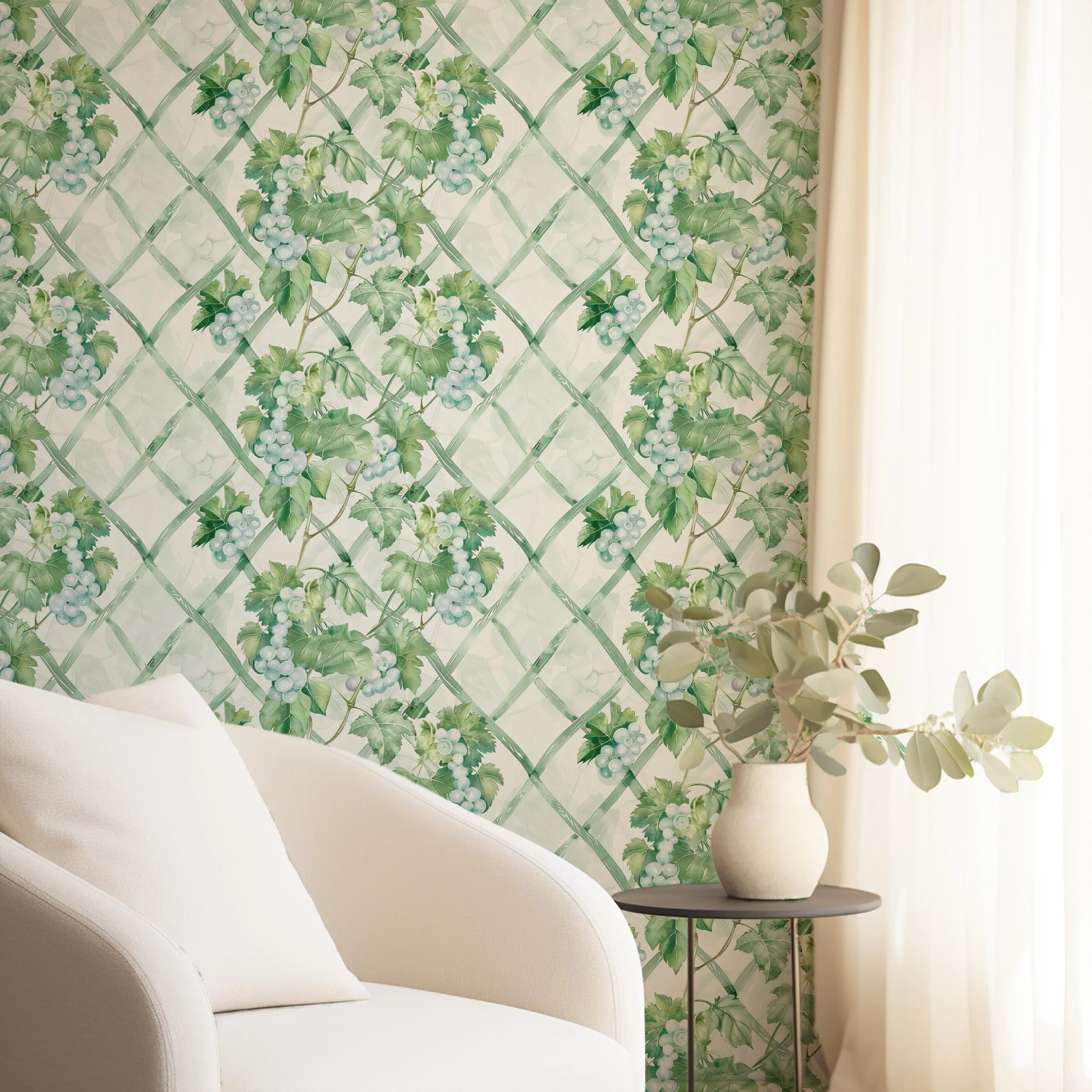
Modern peel-and-stick wallpaper (like Olive et Oriel's removable range) is designed to come off cleanly — simply start at a corner, pull slowly and steadily, and it should release in large sheets with minimal residue.
Traditional paste-the-wall wallpaper requires a different approach. First test a corner — some will peel away in sheets (particularly if it's vinyl-coated), others will need soaking. Knowing which you're dealing with saves considerable time and effort.
Explore Our Full Wallpaper RangeRemoving Traditional Pasted Wallpaper Step by Step
For traditional pasted wallpaper, your primary tool is moisture. A wallpaper scorer perforates the surface, allowing water or stripper solution to penetrate behind the paper. Score gently — you want to score the wallpaper, not damage the wall surface beneath.
Mix wallpaper stripper solution according to the product instructions, apply generously with a large sponge or sprayer, and allow it to soak for several minutes. Then work from the bottom up with a broad scraper at a low angle to avoid gouging the plaster.
Work in sections: soak, wait, scrape. Don't try to hurry the soaking process — the most common mistake is impatience. After removal, allow the wall to dry completely (at least 24 hours), then sand, fill, and prime before re-papering or painting.

Wall Preparation After Removal
A well-prepared wall will make your new wallpaper look its best and last longer. A lining paper or primer coat helps create a smooth, consistent surface — this step is worth doing well.
Olive et Oriel's peel-and-stick wallpaper eliminates most of the drama associated with traditional wallpaper removal — when it's time for a change, the process is genuinely simple and damage-free.


What is the easiest type of wallpaper to remove?
Peel-and-stick wallpaper is by far the easiest to remove — it peels off cleanly without water, solvents, or scraping. Olive et Oriel's removable wallpaper range is specifically designed for easy removal without damaging walls.
Do I need a steamer to remove old wallpaper?
A steamer is effective for very stubborn traditional wallpaper but isn't always necessary. Wallpaper stripper solution applied with a scorer wheel is usually sufficient.
How long does wallpaper removal take?
A standard room with traditional wallpaper typically takes 4-8 hours including preparation and cleanup. Peel-and-stick wallpaper can usually be removed from a standard room in under an hour.
Can I wallpaper straight over existing wallpaper?
It's not recommended. Remove old wallpaper first for best results — papering over existing wallpaper can cause bubbling and adhesion failures.
Will wallpaper removal damage my walls?
Correctly done, removal shouldn't cause significant damage. Impatience — scraping before the paper is properly softened — is the main cause of plaster damage.
How do I remove Olive et Oriel peel-and-stick wallpaper?
Start at a corner or seam and pull slowly and steadily at a low angle. The adhesive is designed to release cleanly. Any residue can be removed with a damp cloth.