

Somewhere past the tenth artwork, art buying changes species. A home buys pieces; a project buys a program, forty works that must relate, arrive together, hang identically and survive an asset register. Volume art has its own economics, logistics and failure modes, and almost nothing written for consumers applies. This is the volume buyer's guide, for fitouts, developments, staging fleets and multi-site brands.
We run volume programs through our Designer Trade & Commercial Program, from twenty-artwork offices to multi-floor hospitality packages, all produced at our two West Gosford facilities, and the mechanics below are the ones that decide whether week one of install goes smoothly.


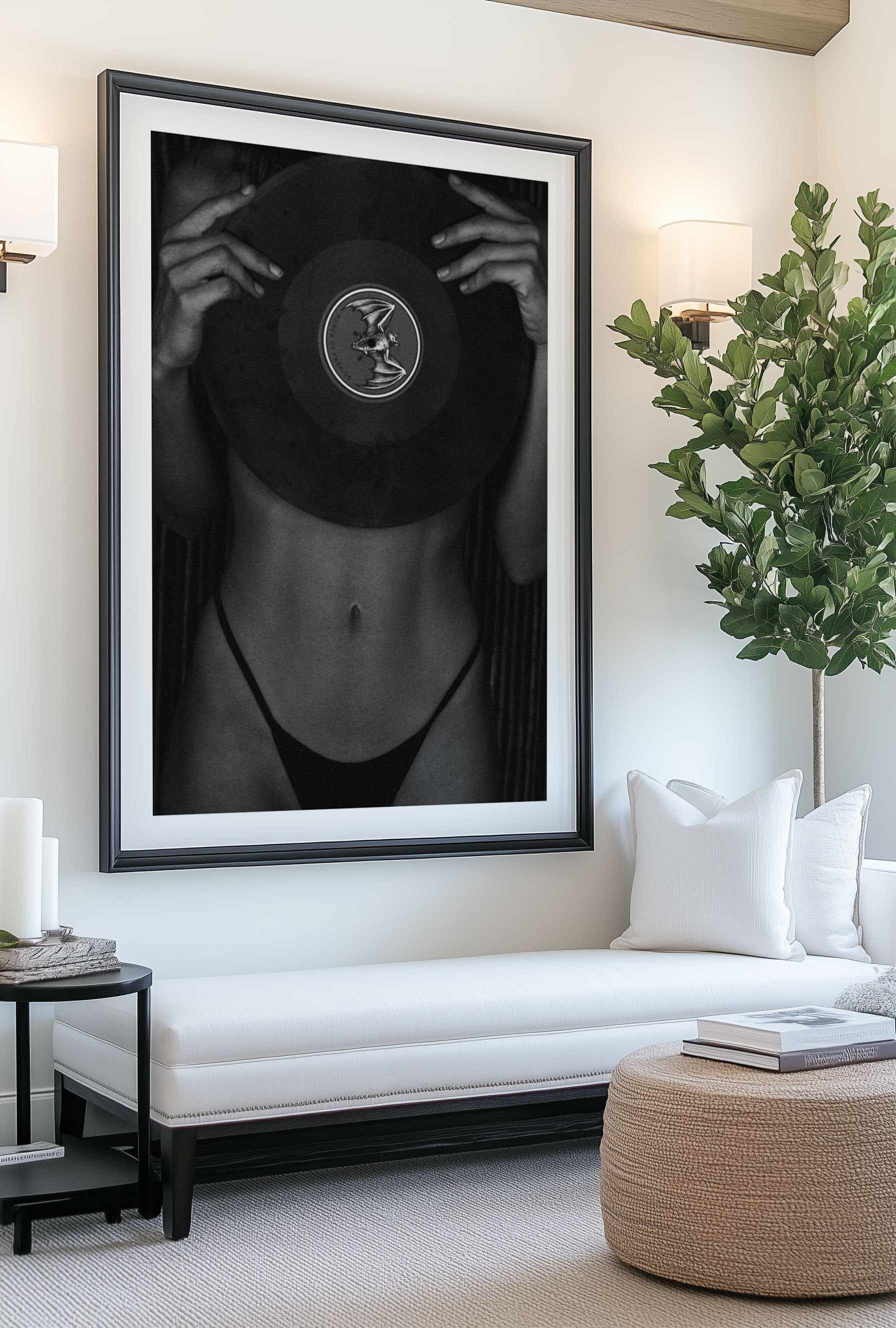
Musica De Ibiza by Teigan Geercke Art Print · Tremezzo II, Lake Como PT · Banksia I Art Print
The Three Laws of Volume Art
- Coherence beats variety: forty unrelated good works make a bad building. Series and palette systems, one visual family, controlled variation, are the difference between collected and cluttered, per the series logic in our hotel guide.
- Logistics are design: identical framing (solid timber, one finish), consistent hanging systems and floor-sequenced delivery decide install cost more than artwork price does.
- Replaceability is the asset: a volume program whose works cannot be reproduced is a liability schedule. Made-to-order from held files means any piece, any year, exactly again.
One artwork is chosen with the eye. Forty are chosen with a spreadsheet, and hung with a system.
Building the Program
- 1. Wall schedule first: every wall, dimensions, zone energy and sightlines, before any artwork is shortlisted. The schedule writes half the brief.
- 2. Palette system: two or three families across the project, typically anchored in the neutrals collection with controlled accent registers (abstraction, photography).
- 3. Series selection with depth: choose families that extend, more sizes, more variations, future floors. Trade clients pull from tens of thousands of works beyond the public range.
- 4. Format and framing standard: one document: canvas vs print by zone (per the format guide), frame finish, glazing, hanging system, applied to everything.
- 5. Pilot, then produce: one floor or one room type first; every program adjusts after the pilot, cheaply at pilot scale, expensively after full production.


Novetta I · Summer Side by Laura Page
Volume Economics, Honestly
Where the money actually moves in volume art: trade pricing scales with the program; identical framing cuts install time per piece dramatically; floor-consolidated freight replaces forty courier events with four; and made-to-order production eliminates the deadstock risk of buying retail inventory that may never fit another project. Production at our facilities runs in days and schedules to fitout programs, art should never sit in a warehouse aging while a site slips, and never hold a handover hostage either. International programs ship to more than 40 countries with duties paid, one landed price per line for the QS.
Designer Tips
- Number every artwork to the wall schedule before dispatch, we label to your schedule, and install crews stop guessing.
- Hold 2 to 3 percent attic stock on guest-facing programs; damage swaps become maintenance, not procurement.
- Standardise two hanging systems maximum across a program (per the hanging guide), security fixings in public zones, standard elsewhere.
- Photograph the pilot floor and circulate for sign-off before full production, alignment at pilot is free, at floor twelve it is not.
- Pair the art program with the wallcovering package (Type II vinyl, commercial designs) in one palette conversation through one trade account.
Frequently Asked Questions
How do I buy artwork in bulk for a project?
Through a trade program with a wall schedule in hand: zones, dimensions and energy levels per wall, then series-based selection against a palette system, a pilot, and scheduled production. Apply to the program and the concierge runs the mechanics with you.
Is bulk artwork discounted?
Trade pricing applies across the range and scales with program volume, but the larger savings usually hide in logistics: consolidated freight, standardised framing and install efficiency, and zero deadstock through made-to-order production.
How many artworks can be produced how fast?
Production runs in a couple of business days per piece at our facilities and parallelises across a program; multi-floor packages schedule to your fitout sequence. The honest constraint is approvals, not production, pilot early.
Can a program stay consistent across years and sites?
Yes, files, framing specifications and palette systems are held indefinitely, so site two matches site one exactly, and expansion floors extend the original program rather than approximating it.
What about damaged artworks after handover?
Exact reprints from held files, in days, at program pricing, which is why attic stock plus reprint provision belongs in every maintenance schedule. No discontinued-stock lottery, ever.
Do volume programs include wallcoverings?
They should: one palette system across art and commercial vinyl is how coherent buildings happen, and one supplier for both keeps accountability whole. Both run through the same trade account.
Can you match an existing fitout's art program?
Usually, bring photos and any specifications; between colour-directing existing series and custom production, extending or refreshing an inherited program is routine work for the design team.
Scope your program through the Designer Trade & Commercial Program, starting from art in neutrals, statement works and photography. Made in Australia, delivered worldwide, duties paid.


